
Supporting Remote Workers
A survey conducted by Gallup finds that 43 percent of Americans work remotely, at least part time – and among those workers, 31 percent work remotely 80 to 100 percent of the time.




Practical HR Tips, News & Advice. Updated Daily.
A survey conducted by Gallup finds that 43 percent of Americans work remotely, at least part time – and among those workers, 31 percent work remotely 80 to 100 percent of the time.

Today we are joined by Rachel Barker, employee experience manager at Qualtrics. Barker will answer some questions about grooming and developing top performers. Qualtrics recently released survey research entitled, Qualtrics Research: How to Groom and Develop Top Performers. Let’s get started.

Keeping top talent during a merger or acquisition is arguably critical to the transaction and the future success of the new organization. Yet retaining employees during times of transition can be challenging. In today’s job market especially, staff members may be inclined to jump the corporate ship in search of calmer waters.

There’s good news and bad news … which do you want first?

Numerous surveys find that job candidates want career development, but few delve into the advantages of companies providing it—and there are many.
Does “right person, wrong role” sound familiar? It turns out the situation is fairly common.

A new study conducted by Visier, a leading provider of talent management solutions, finds systemic ageism exists in tech hiring practices.

New survey data from Glassdoor, one of the world’s largest job sites, provides insight into today’s top hiring challenges, the top traits hiring decision makers want from candidates, and the long-term impacts of hiring the right candidates.
A number of large companies have moved to bring remote workers back into corporate offices, but job candidates still expect work from home options. So finds new data from the MRINetwork 2017 Recruiter Sentiment Study.
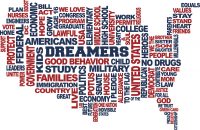
On September 5, Attorney General Jeff Sessions announced the Trump administration would end the Deferred Action for Childhood Arrivals (DACA) program, which protects approximately 780,000 undocumented immigrants, known as dreamers, from deportation.